Jesus and the Pharisees: Reading the Disputes in Context
- These are Jewish arguments before they are Christian slogans
- The four Gospels do not paint one identical portrait
- Sabbath disputes are arguments about faithful practice
- Purity is not a synonym for moral emptiness
- Meals can signal conflict and relationship
- Agreement appears when the story needs it
- Matthew 23 is polemic, not a demographic report
- The intra-Jewish-conflict model helps—with limits
- Not every Pharisee is hostile even in the texts
- Jesus and Pharisees may be close enough to argue
- How to read a controversy passage step by step
- Better language changes the analysis
- What a contextual reading preserves
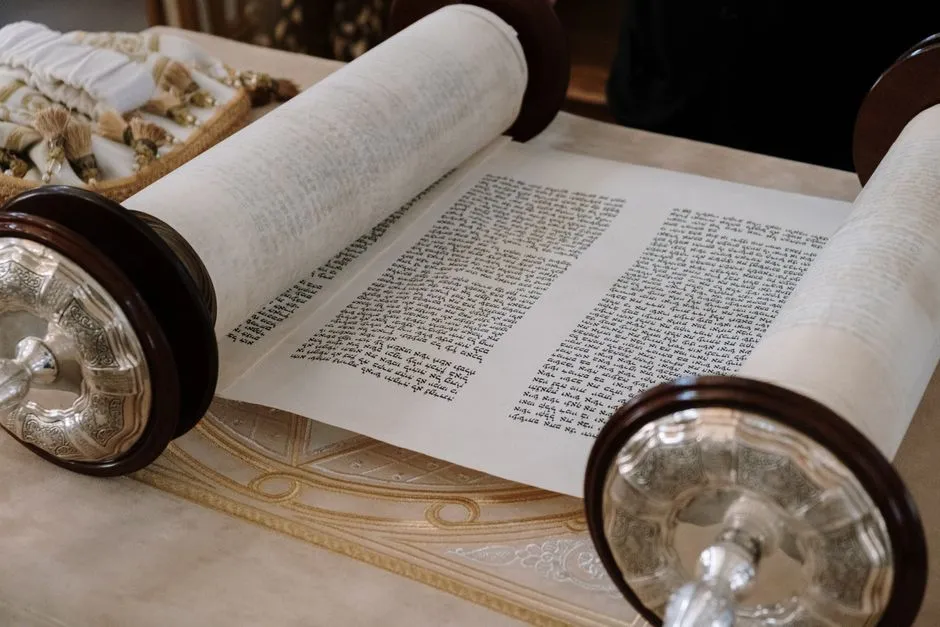
These are Jewish arguments before they are Christian slogans
The Gospel disputes between Jesus and Pharisees concern Sabbath, purity, meals, fasting, divorce, tithing, authority, signs, and the interpretation of Torah. They take place within first-century Judaism. Jesus was Jewish; Pharisees were Jewish; the scriptural and ethical vocabulary they contest is Jewish.
That starting point prevents a durable mistake: reading every scene as “Christian grace defeats Jewish legalism.” Christianity had not yet appeared in the narrative world as a separate, fully formed religion facing Judaism from outside. The Gospels themselves were composed later, as Jesus-following communities developed and their relationships with other Jews varied.
Good reading therefore keeps two settings visible:
- the narrated setting of Jesus in Roman-period Galilee and Judea;
- the evangelist's later setting, where inherited memories are selected and arranged for a community.
The distance between them is not a reason to discard the texts. It is how historians learn to read ancient narrative without asking it to be a security-camera recording.
The four Gospels do not paint one identical portrait
Mark, Matthew, Luke, and John share traditions while arranging them differently. Pharisees appear with different frequency, partners, locations, and narrative functions. Comparing parallel episodes reveals what an evangelist emphasizes.
Mark frequently presents disputes over Sabbath, purity, meals, and demands for a sign. Matthew uses much Markan material but intensifies conflict and devotes chapter 23 to extended woes against scribes and Pharisees. Luke includes confrontations but also several meals in Pharisees' homes and a warning from Pharisees that Herod wants to kill Jesus. John uses “the Jews” in complex and often hostile narrative ways, while presenting Nicodemus, identified as a Pharisee, as a searching and later supportive figure.
These are not four survey teams comparing the same sample. They are theological narratives with literary designs. A responsible statement sounds like “Matthew portrays…” or “In Mark's controversy scene…” before it becomes “the Pharisees historically always…”
Yale Bible Study's introduction to Matthew notes both the Gospel's deeply Jewish scriptural world and its sharp treatment of Pharisees. Holding those facts together is essential.
Sabbath disputes are arguments about faithful practice
Gospel stories place Jesus and Pharisaic interlocutors in disputes over plucking grain and healing on the Sabbath. Later Christian retellings sometimes describe Pharisees as preferring rules to human life, while Jesus introduces compassion as though Jewish Sabbath practice had never met either mercy or an emergency.
That contrast is historically crude. Jewish legal reasoning included questions about danger, need, permitted action, and the purpose of commandments. The Gospel arguments turn on how authority is claimed, which analogy controls, what kind of need is present, and how Jesus' action is interpreted.
Different accounts also make different points. Mark's saying that the Sabbath was made for humankind appears within a narrative claim about the Son of Man. Matthew adds an appeal to mercy. Luke shapes the scenes within its own themes. A historian can compare them with other Jewish traditions, but should not paste a much later codified ruling backward and declare that one side violated a universally settled first-century handbook.
The Sabbath is not the villain in these stories. It is a treasured Jewish practice around which a serious argument occurs.
Purity is not a synonym for moral emptiness
Mark 7 and Matthew 15 present a dispute involving handwashing and “tradition of the elders,” followed by teaching about what defiles. Readers often jump from this to “Judaism cared about external dirt; Jesus cared about the heart.”
Ritual purity is not ordinary hygiene, and ancient Jewish concern with it did not exclude ethics. The biblical texts that ground purity also ground care for neighbour, truthful judgment, charity, and covenantal responsibility. Pharisaic traditions could extend purity practices into meals or ordinary life, but scholars debate their scope and social distribution.
The Gospel passages themselves turn on authority and interpretation. Mark explicitly explains customs to an audience; Matthew modifies elements of the scene. That literary work is evidence about the evangelists as well as about remembered controversy.
Translate carefully. “Unclean” can be a ritual category rather than a declaration that someone is filthy or morally bad. “Tradition” can mean inherited interpretation rather than mindless habit. The vocabulary has a history; it does not exist to make one group look like it forgot soap and kindness simultaneously.
Meals can signal conflict and relationship
Jesus' meals with tax collectors and other socially disapproved people become a point of Gospel dispute. Pharisaic characters question the choice of company. The narratives use table fellowship to make claims about repentance, mercy, status, and Jesus' mission.
But Luke also depicts Pharisees inviting Jesus to eat. Those meals are not always peaceful; hospitality becomes a setting for criticism, teaching, and social reversal. Still, an invitation is interaction rather than a permanent wall between two alien camps.
This complexity matters historically. Shared meals could express status and belonging. Questions about food, purity, tithing, and company were not decorative religious fussiness; they organized real communal boundaries. Jesus' actions challenge boundaries in the narratives, but the meaning of each scene should be read rather than assumed.
Agreement appears when the story needs it
In Mark 12, a scribe asks Jesus which commandment is first. Jesus answers with love of God and neighbour. The scribe agrees and says these outweigh burnt offerings and sacrifices; Jesus tells him he is not far from God's kingdom.
The passage does not identify the scribe as a Pharisee in Mark, although Matthew's parallel situates the question within a Pharisaic testing scene. The difference is a useful warning about harmonizing. If all accounts are poured together immediately, the reader misses how each tells the story.
The content also dismantles the idea that Jewish interpreters knew only mechanical rule keeping. Love of God and neighbour comes from Torah. Debating the greatest commandment is Jewish interpretation, not an escape hatch from Judaism.
Matthew itself includes Jesus telling listeners to do what the scribes and Pharisees teach while criticizing their conduct. Yale's Sermon on the Mount study guide emphasizes Matthew's affirmation of Torah observance even as the Gospel frames Jesus' authority distinctively.
Matthew 23 is polemic, not a demographic report
Matthew 23 contains severe woes against scribes and Pharisees, accusing them of hypocrisy, distorted priorities, outward display, and violence. The rhetoric has prophetic precedents: Israel's scriptures include fierce internal criticism of leaders and communities.
That context does not make the words mild. It locates their genre. Polemic selects, heightens, and generalizes in order to persuade. It should not be read as an objective description of every Pharisee, much less every later Jew.
The Yale study guide to Matthew's closing controversies explicitly warns that the woes reflect intense conflict involving Matthew's community and should not be construed as an assessment of all Pharisees.
Several questions belong beside the chapter:
- Which charges echo prophetic rhetoric?
- How does Matthew contrast leaders with the disciples' required humility?
- What late-first-century community conflict may be reflected?
- How did later Christians detach the polemic from its Jewish setting?
- What harm followed when “Pharisee” became a label for Jewish spiritual failure?
The last question is not optional reception history. Gospel polemic has been used in anti-Jewish preaching and violence. A reader is responsible not only for what a text did in an ancient narrative, but for refusing lazy uses made available by centuries of power.
The intra-Jewish-conflict model helps—with limits
Many interpreters describe harsh Gospel disputes as “family arguments” or intra-Jewish polemic. That is often illuminating. Shared texts and practices can produce the fiercest boundary disputes, especially while identities are changing.
Yet “family argument” must not become a solvent that removes harm. A first-century Jewish dispute later circulated in churches with social and political power over Jewish minorities. Words changed effects when audiences and power relations changed. Historical context explains rhetoric; it does not issue an unlimited reuse licence.
The model also should not imply we know one clean institutional split between “church” and “synagogue” everywhere at one date. Jesus-following groups and Jewish communities developed differently across places. Older reconstructions of a single expulsion event have been questioned. Local conflict is more plausible than a universal door slamming in unison.
Not every Pharisee is hostile even in the texts
Several New Testament figures complicate the villain template:
- Nicodemus comes to Jesus in John 3, questions procedure in John 7, and helps with burial in John 19.
- Luke 13 has Pharisees warn Jesus that Herod wants to kill him.
- Acts 5 presents the Pharisee Gamaliel advising the council not to rush against the apostles.
- Acts and Philippians preserve Paul's identification with Pharisaic background.
These portrayals have literary and theological purposes. Nicodemus, for example, develops across John's symbolic world of misunderstanding, testimony, and public action. Still, the variety means a reader cannot honestly claim the New Testament treats Pharisees as one identical bloc.
Nor should sympathetic examples be used to divide “good Pharisees” who move toward Christianity from “bad Jews” who do not. That simply gives the stereotype a smaller hat.
Jesus and Pharisees may be close enough to argue
Some scholars emphasize affinities between Jesus and Pharisaic concerns: resurrection, Torah interpretation, ethical command, providence, and forms of teaching. Others warn against assigning Jesus to a party on the basis of overlap. Both cautions can stand.
The Gospels do not provide evidence that Jesus formally joined the Pharisaic movement. They do show him disputing with it on recognizable Jewish terrain. Arguments may arise from proximity as well as distance. Rivals who share no premises usually have shorter debates.
The historical overview of the Pharisees explains what can be reconstructed from Josephus and other sources. Our sect comparison shows that Jesus does not simply slot into one of Josephus's three categories.
How to read a controversy passage step by step
First, identify the Gospel and resist merging parallels. Note who initiates, where the scene occurs, and which terms the narrator uses.
Second, read the immediate literary context. A dispute may advance a plot, reveal identity, teach disciples, or anticipate a later conflict.
Third, locate the Jewish issue. Use scholarship on Sabbath, purity, Temple, meals, divorce, or tithing rather than a generic “law versus grace” switch.
Fourth, compare parallels. What does Matthew add to Mark? What does Luke omit? Does John frame the issue differently?
Fifth, separate levels of claim:
- The text says X.
- The evangelist likely uses X for Y.
- This may preserve an earlier dispute about Z.
Those are connected statements, not interchangeable ones.
Sixth, inspect reception. Has the passage been used to demean Judaism, justify supersessionism, or label contemporary Jews? If so, name and correct that history.
Better language changes the analysis
Avoid “the Pharisees cared only about rules.” Write which character in which text disputes which practice.
Avoid “Jesus abolished Jewish law.” Describe the passage and acknowledge Christian disagreement about its theological interpretation.
Avoid “the Jews rejected Jesus.” Name the leaders or group the narrative names, note narrative generalization, and remember Jesus and his earliest followers were Jews.
Avoid “Pharisaical” as an insult. Say hypocritical, performative, self-righteous, inconsistent, or overly scrupulous if that is what the evidence shows. Precision has a surprisingly well-stocked vocabulary.
Avoid treating rabbinic Judaism as the direct target of every Gospel rebuke. The Pharisee-to-rabbinic transition involves continuity and transformation across later centuries.
What a contextual reading preserves
Context does not require declaring every Pharisee right or sanding the sharp edges off Jesus' criticism. It makes the disagreements intelligible. Sabbath observance, purity, justice, mercy, tithing, meals, and Torah mattered. Ancient authors made claims through those debates, and later communities heard them under different conditions.
The responsible reader can take moral criticism seriously without assigning hypocrisy to a Jewish movement by nature. A Christian reader can receive a Gospel as scripture without turning Jewish interlocutors into props for Christian superiority. A historian can use the texts as evidence without pretending their rhetoric is a transcript.
The debates become richer when no one is forced to represent “dead law” so someone else can represent “living love.” They become Jewish arguments about how a faithful life should look—and later Christian texts whose history of interpretation demands unusual care.
That is not less dramatic. It is simply a drama in which everyone is allowed to have a history.